
How to Communicate Your Vision with Your Photographer
WRITTEN BY CHRISTOPHER HAYMON
It happens all the time: You know exactly how you want your photos to feel, but trying to explain that to your photographer feels like translating a dream into a shopping list. Clients often walk into a photo session hoping for “natural, effortless shots” or “something with personality,” yet those phrases can mean very different things depending on who you ask. This disconnect isn’t about taste or talent; it’s about language.
When words fall short, collaboration can feel clumsy, but with a few simple strategies, we can create a shared visual language that leads to photos that truly reflect who you are.
Why Language Often Gets in the Way
Here’s the core issue: People often describe images emotionally (“I want it to feel joyful”) while photographers think visually (“How do I translate joy into composition, light, and gesture?”). This translation gap can make sessions feel uncertain or intimidating.
Even words that seem universal, like “candid” or “moody,” carry wildly different interpretations. To one person, “moody” means dark lighting and shadows; to another, it’s introspective but bright. Understanding this helps both sides slow down and clarify before shooting begins.
Use Visuals
Some clients find that pictures speak louder than words. A single image reference can reveal more about your taste than a long conversation. Creating quick visual references, even from simple descriptions, can be incredibly effective in aligning expectations.
With tools like an AI image generator tool, you can turn words such as “cozy,” “editorial,” or “cinematic” into visual prompts that generate examples of your preferences. Whether you love candid energy or stylized portraits, seeing those ideas helps everyone speak the same language. It’s not about replacing creativity, it’s about reducing guesswork so your photographer can focus on nuance and connection rather than interpretation.
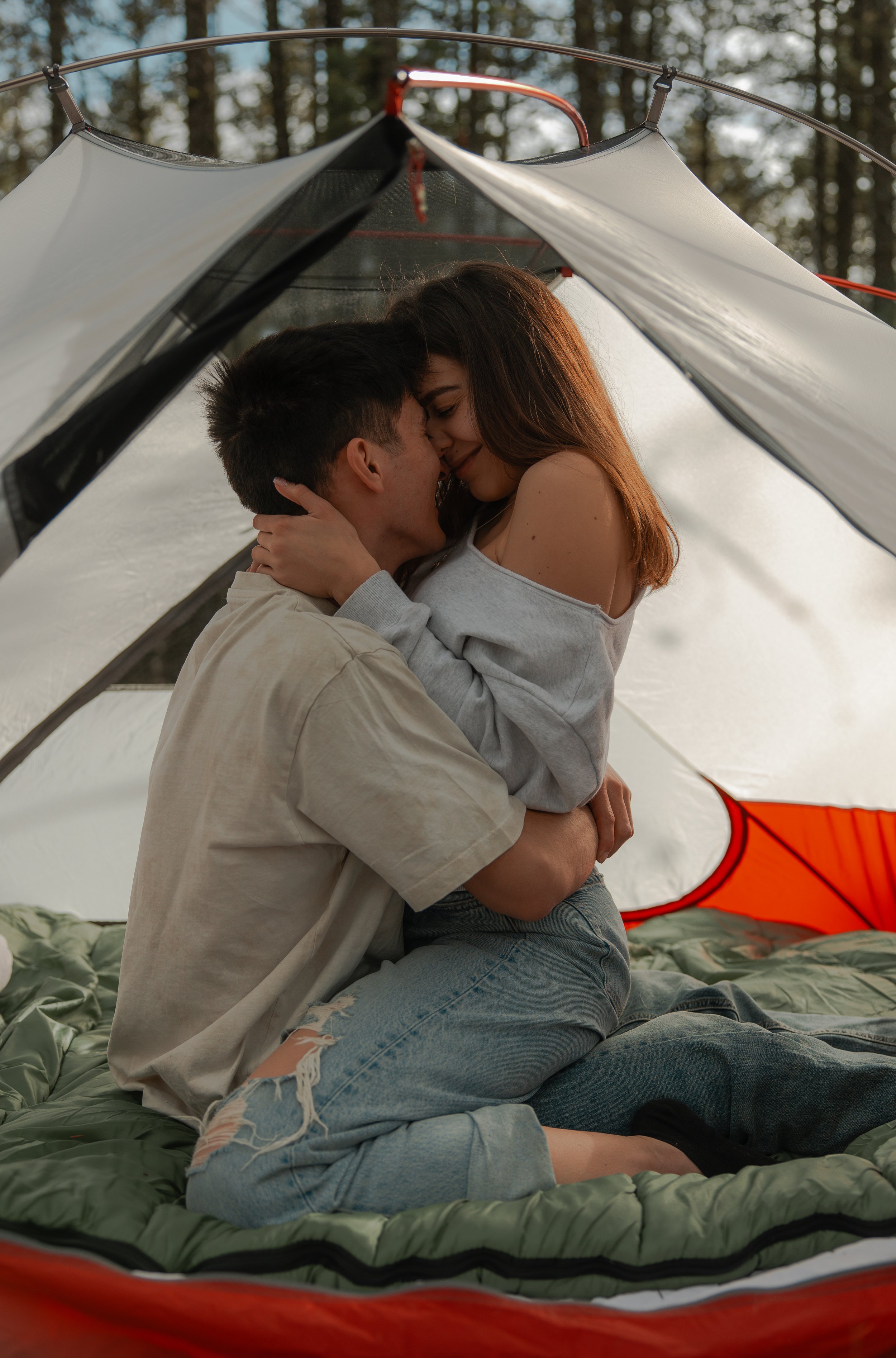
Collaborate with Your Photographer
The best sessions happen when both sides build trust early on. Before your next shoot, run through this quick checklist to help you express your ideas more clearly and feel prepared. Before the session:
Collect 3–5 reference images that capture your desired mood rather than exact poses.
Write down three adjectives that describe how you want to feel in your photos.
Tell your photographer what moments or settings make you feel most yourself.
Ask how they typically guide clients during shoots; some direct a lot, others observe more.
Discuss wardrobe options that express your personality rather than match a trend.
This small prep step turns vague intentions into concrete visual signals that photographers can interpret effectively.
Turn Emotional Cues into Visual Translations
Here’s how emotional language often maps visually in photography terms.
Calm = soft light, neutral tones, gentle posture. “Calm” can sometimes be mistaken for dullness
Confident = eye contact, bold framing, contrast. A common mistake is overly stiff posing
Playful = movement, laughter, candid frames. We avoid over-direction that kills spontaneity
Intimate = shadows, minimal backdrop, subtle expression. Often misread as sadness
Warm = golden-hour tones, close composition
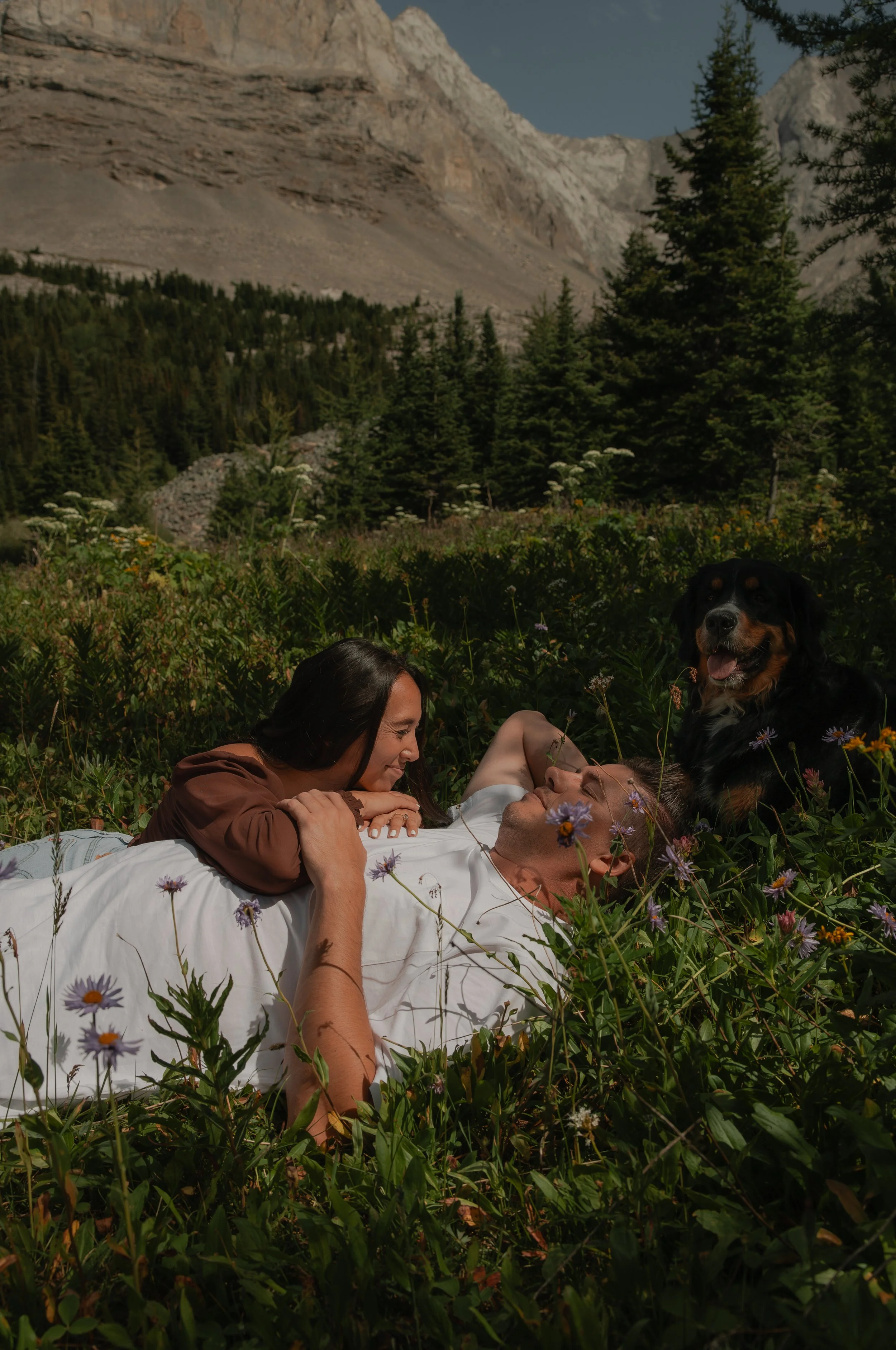
Strive for Authenticity, Not Perfection
Many people freeze up during shoots because they feel they need to “perform.” But the best sessions are built on responsiveness, not perfection. When you focus less on “getting the right pose” and more on sharing authentic reactions, your photographer can adapt the environment, lighting, and pacing around you.
Photography is a dialogue of gestures, glances, and trust. You don’t need to understand lenses or aperture, just be open to small, natural adjustments. The images will follow.
Common Client–Photographer Miscommunication
A few patterns tend to repeat themselves, no matter the session type or skill level. Recognizing these ahead of time can save time and stress. Here are a few examples:
Clients describe emotions, not visuals (“I want confidence,” instead of “I want bright light and direct eye contact”).
Photographers respond with visual terms that may not resonate emotionally.
Expectations for posing and direction aren’t clearly discussed.
Clients overthink “what looks good” instead of what feels natural.
Both sides assume the other “gets it” without confirming.

FAQ
How much direction will my photographer give me?
Every photographer has their own rhythm. Some will gently guide you throughout, while others prefer capturing spontaneous interactions. My photos are very laid-back and I like to describe my style as “guided candids”. I’ll be there to guide you while also making room for authenticity.
What if I don’t know what I want?
That’s totally fine. A good photographer will ask open-ended questions about your interests, lifestyle, and preferred vibe. From the moment you inquire with me, we begin creating your vision. I send you a questionnaire to help get to know you and your vision better. From there, I’ll translate those cues into visual setups that feel natural to you.
Should I bring inspiration photos?
Yes, but not to copy them. Bring them as conversation starters that reveal what you’re drawn to in tone, light, and body language. The goal is to clarify direction, not recreate exact scenes.
How can I relax in front of the camera?
Start by moving. Laugh, walk, talk; doing something natural breaks tension and helps you look more genuine. Also, remember that nerves are normal; the best photographers will guide you until that disappears.
What should I wear?
Wear clothes that align with how you want to feel, not just look. If you want to appear confident, pick something structured; if you want cozy, choose texture and flow. Avoid major brand logos or overly bright colours that distract from your expression. When you book with me, you’ll receive a session guide that includes tips for what to wear!
The real art of a photo session lies in translation, the ability to turn intangible feelings into tangible images. When clients use emotional language, visual references, and open communication, and when photographers listen beyond words, the process becomes something richer than a transaction.
Ultimately, the goal isn’t to “get the shot.” It’s to create space for connection, where both the client’s story and the photographer’s craft meet, beautifully, in frame.
WRITTEN BY CHRISTOPHER HAYMON